
Two days of focused learning, practical exploration, and positive participant feedback marked Prodea’s advanced implant course in Oman, held on October 16–17, 2026, at Al Nahda Hospital in Muscat.
Led by Dr. Maxim Baini, the course, “Severely Resorbed Maxilla — Treatment Modalities with Immediate Loading,” brought together dentists and dental surgeons to explore treatment planning and advanced implant approaches for complex maxillary cases.
From the clinical decision-making process to digital planning and hands-on training, the program connected theoretical knowledge with practical learning. For Prodea, it was also an opportunity to support professional development through an educational experience grounded in the challenges clinicians face.
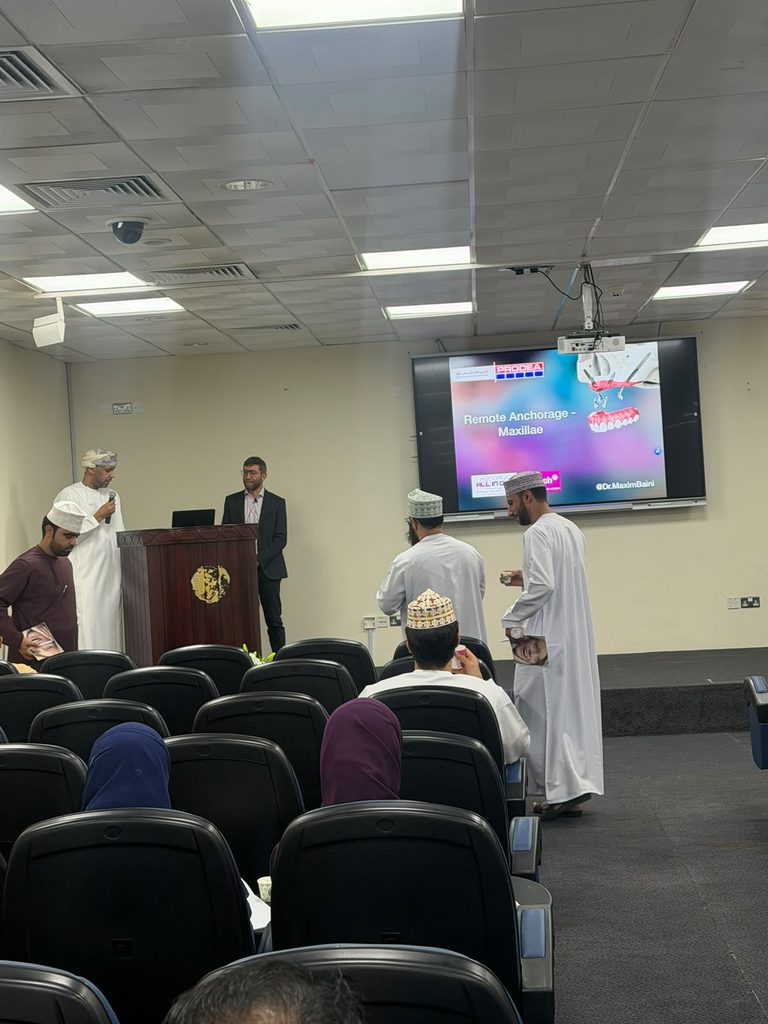
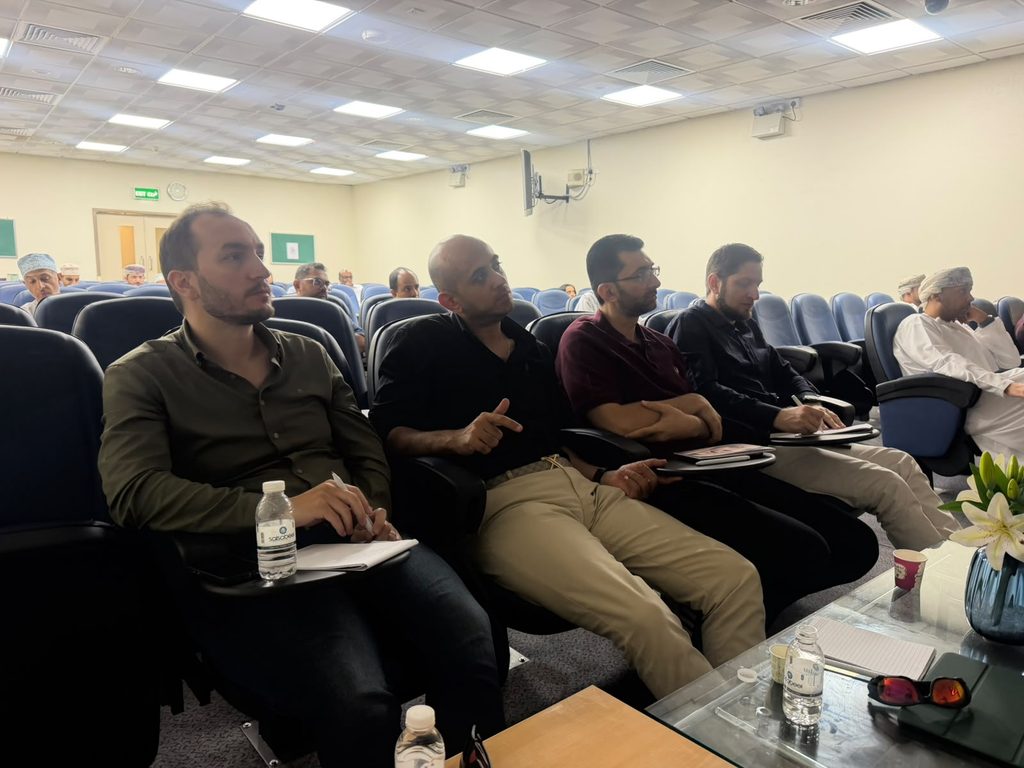
Day 1: Exploring Treatment Options for the Severely Resorbed Maxilla
The first day focused on understanding treatment options and the considerations that guide their selection.
Dr. Baini opened with “Remote Anchorage — Decision Tree,” establishing a framework for the sessions that followed. Treatment planning, case selection, and anatomical limitations provided the foundation for exploring different implant approaches.
Throughout the day, participants examined:
- Trans-, para-, and subnasal implant techniques.
- Trans-sinus implant approaches.
- Pterygoid implant placement.
- Zygomatic implant placement.
- Immediate loading protocols and prosthetic considerations.
The educational focus extended beyond individual techniques. The program also addressed how clinicians assess a case, compare available options, and consider potential risks and complications.
A group of dentists joined specifically for the first-day lecture program, while participants enrolled in the full course continued through the practical components.
Connecting Lectures with Model-Based Practice
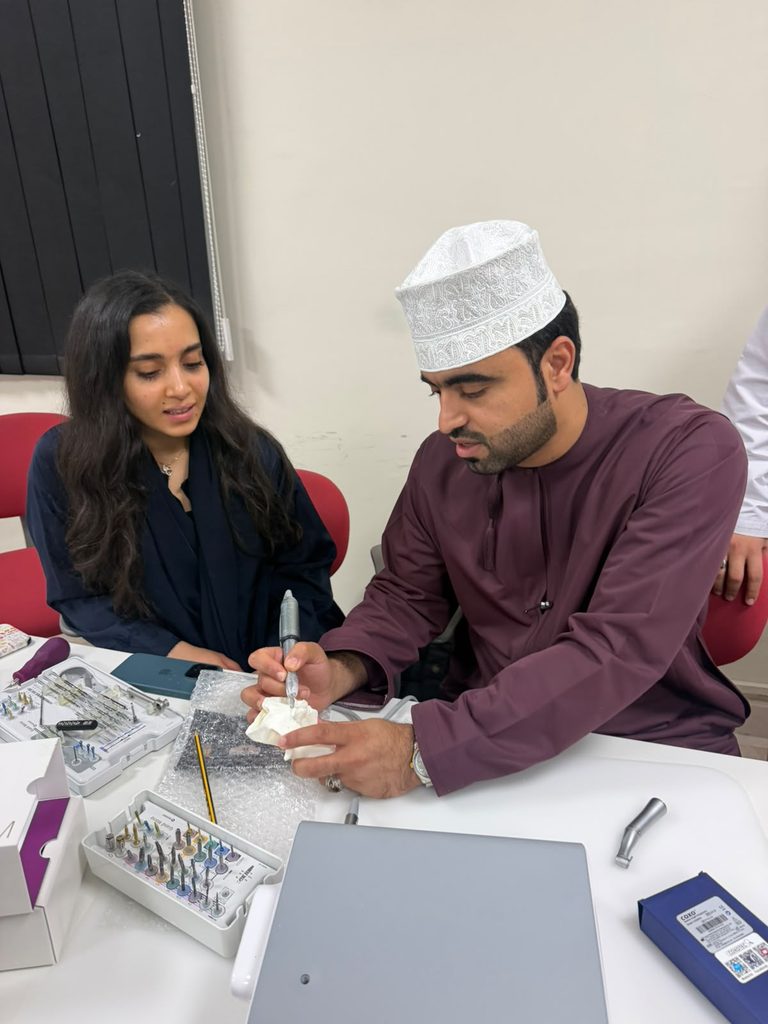
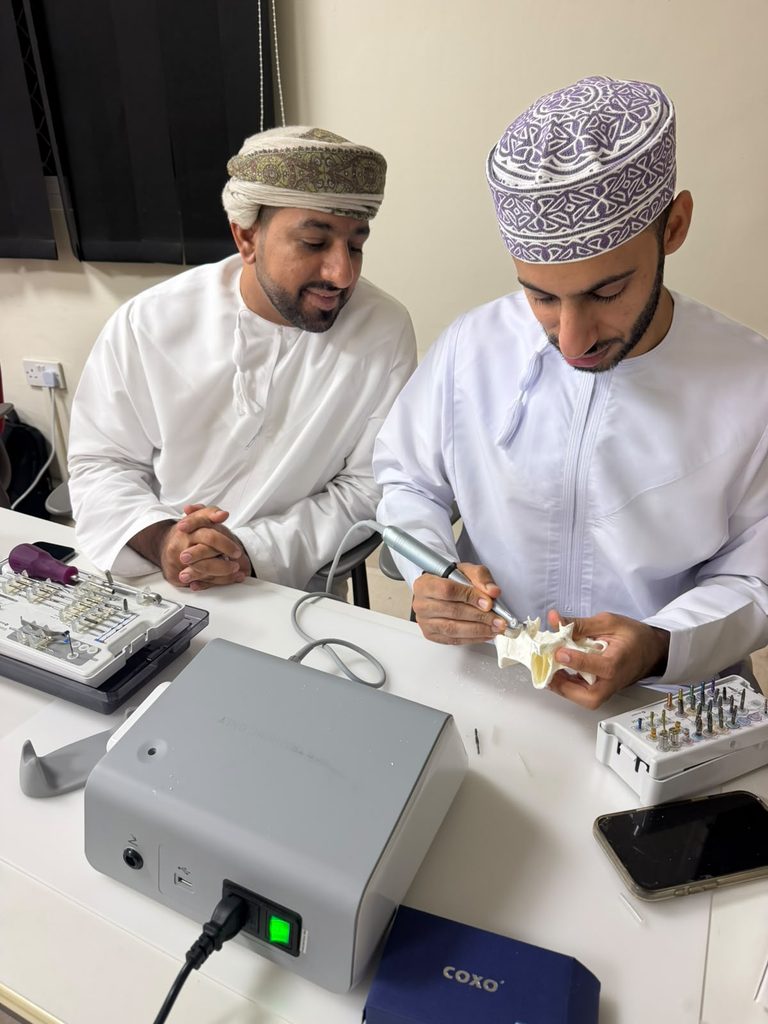
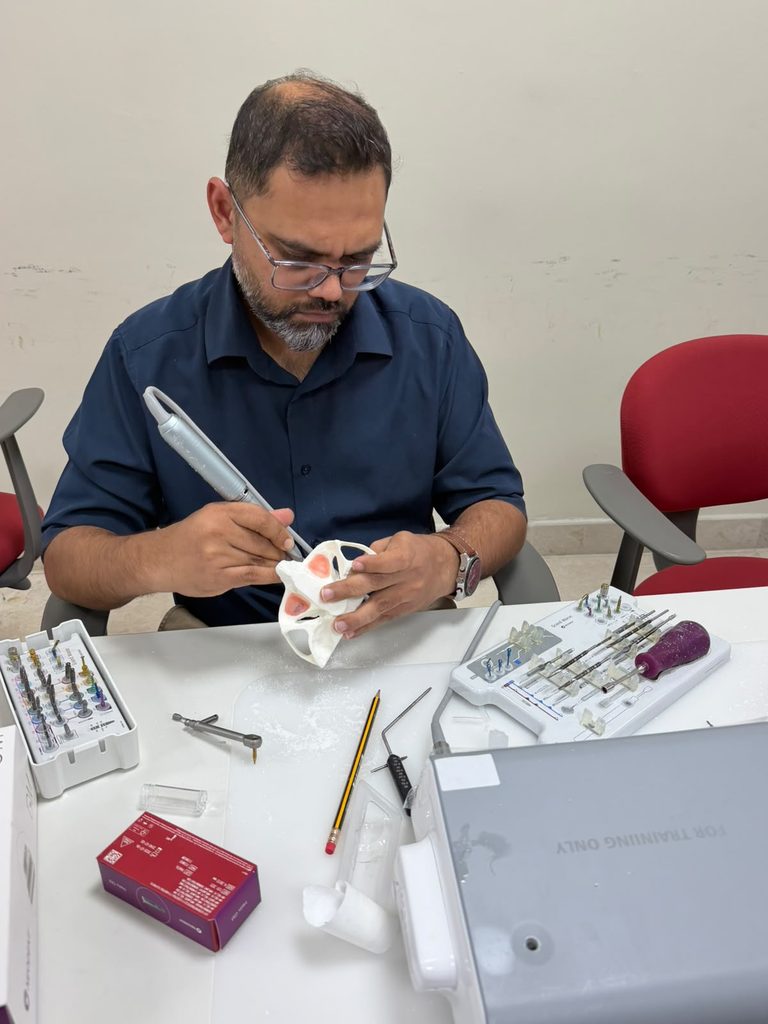
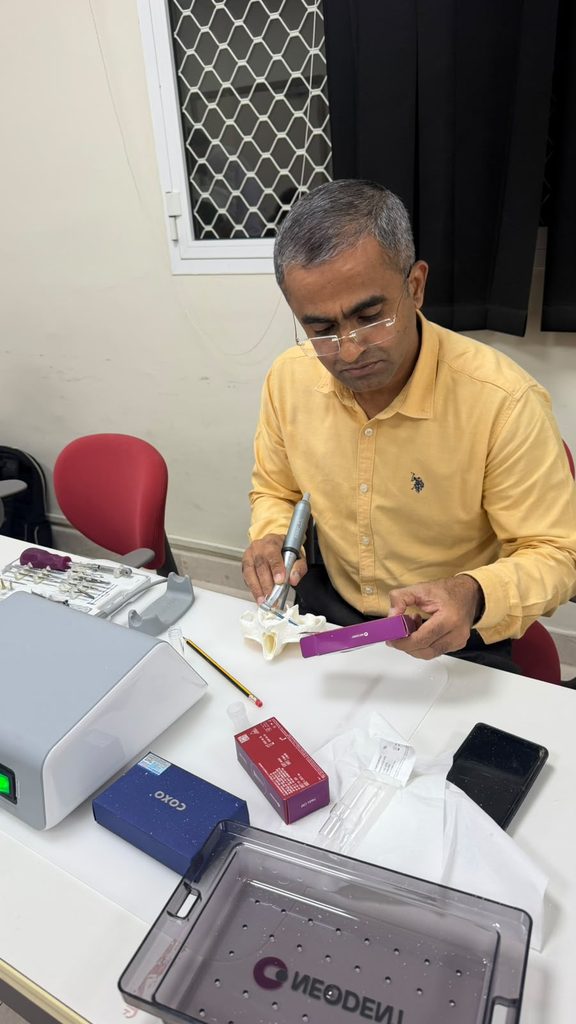
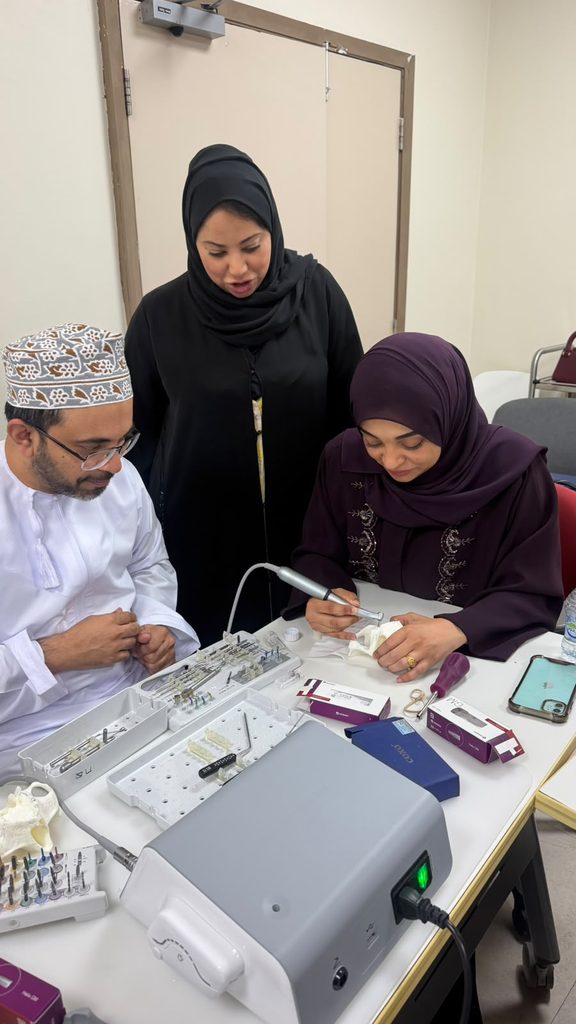
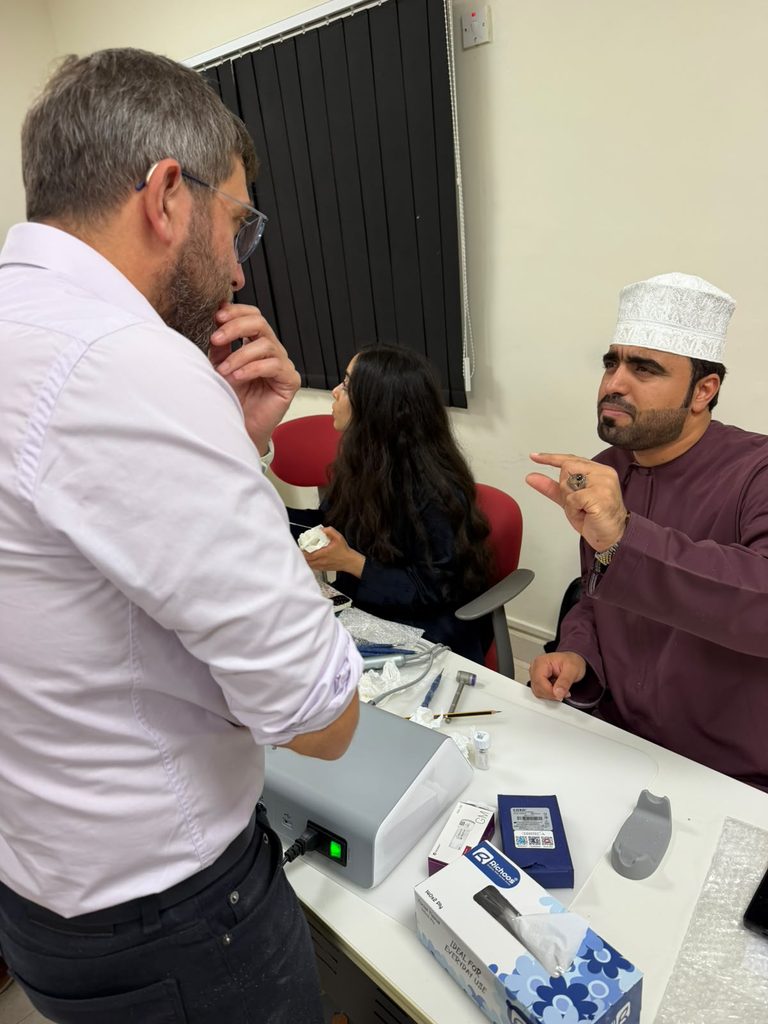
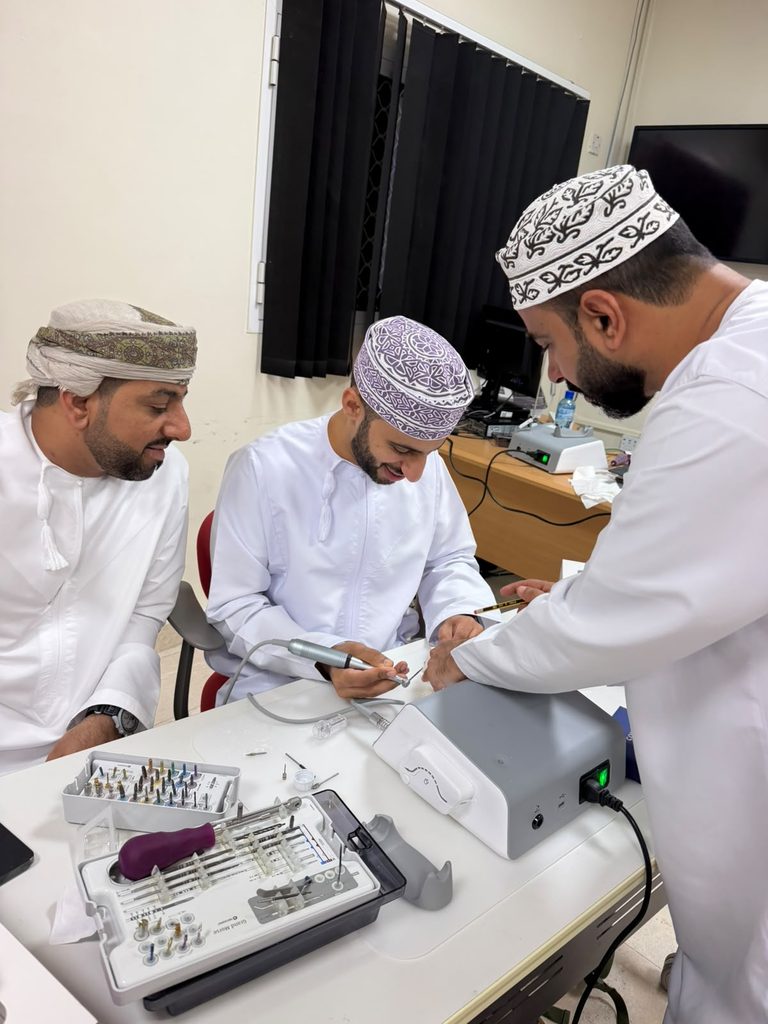
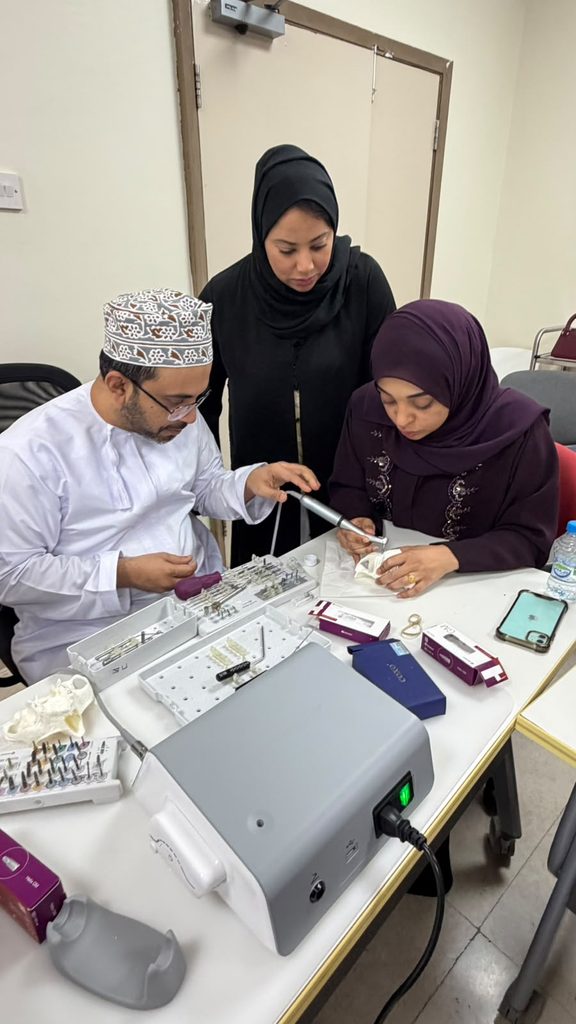
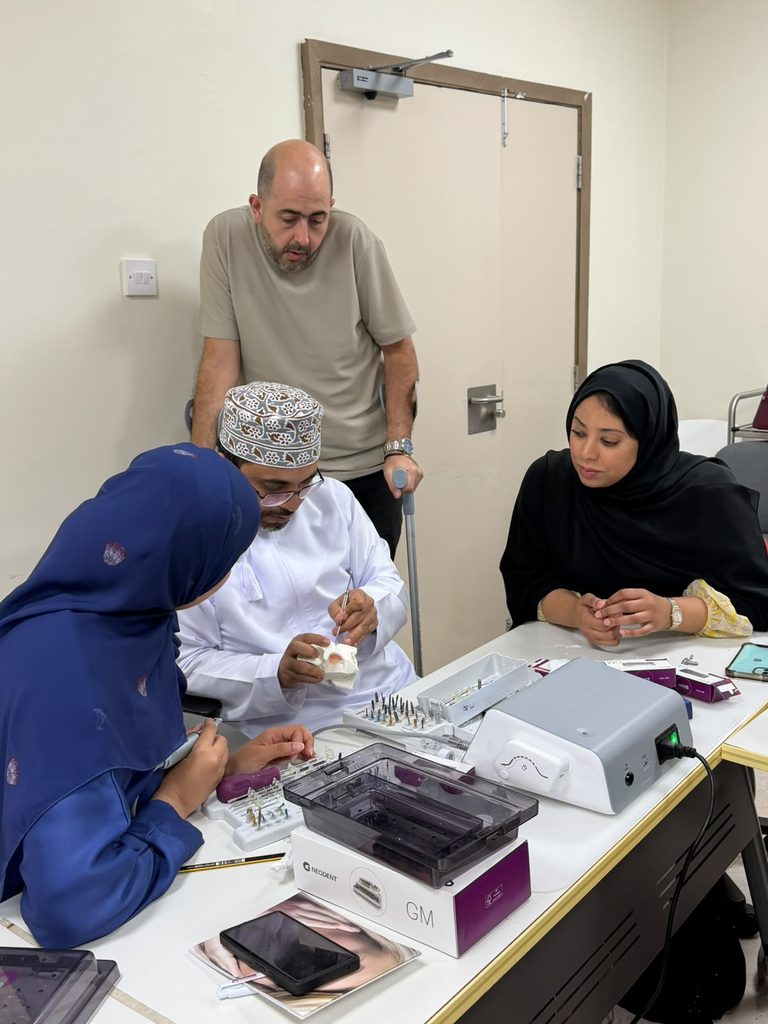
For the full-course participants, Day 1 concluded with a live demonstration and hands-on model training.
This session created a practical link between the concepts presented during the lectures and the implant placement techniques explored throughout the day. Working on dedicated models gave participants an opportunity to examine those techniques in a training setting before progressing to the second day.
Day 2: From Digital Treatment Planning to Cadaver Training
The second day moved from treatment concepts to case-based planning and practical application.
The morning began with a coDiagnostiX planning demonstration, followed by participants’ planning exercises using the cases prepared for the cadaver sessions.
This sequence linked digital planning directly to the afternoon’s practical work. Rather than treating software planning as a separate subject, the program placed it within the broader process of assessing anatomy and preparing an implant treatment approach.
Hands-On Application on Frozen Human Cadavers
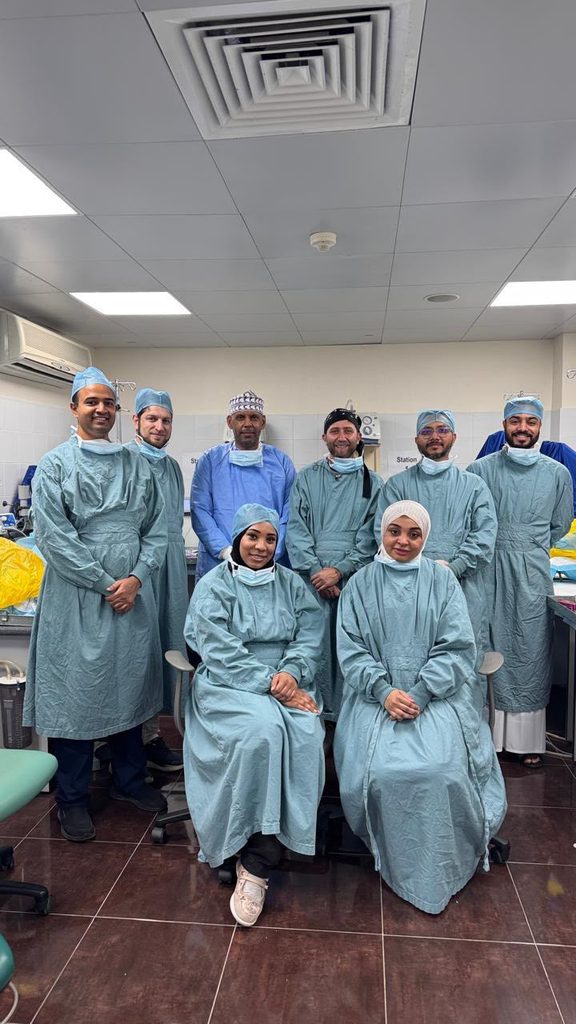
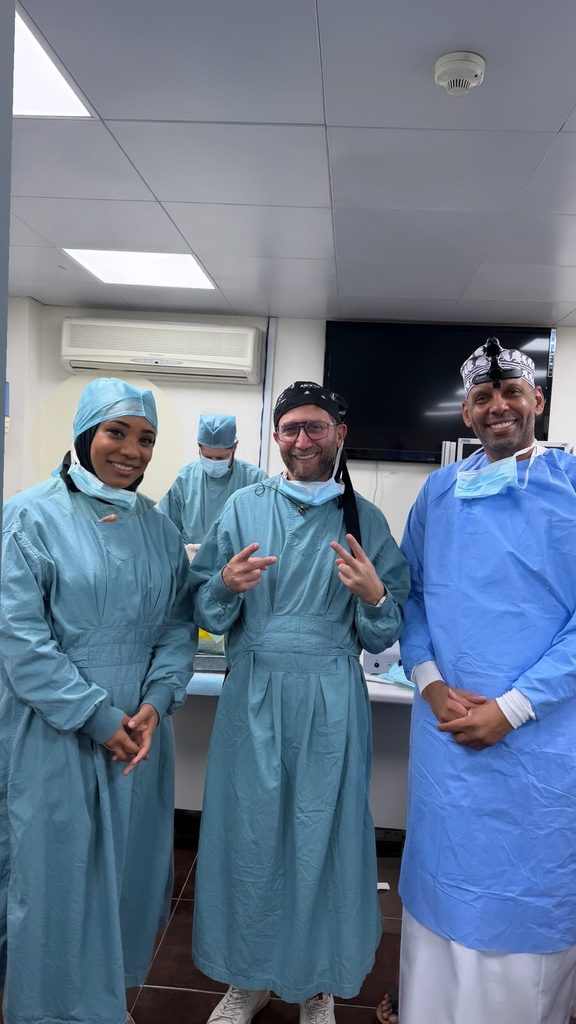
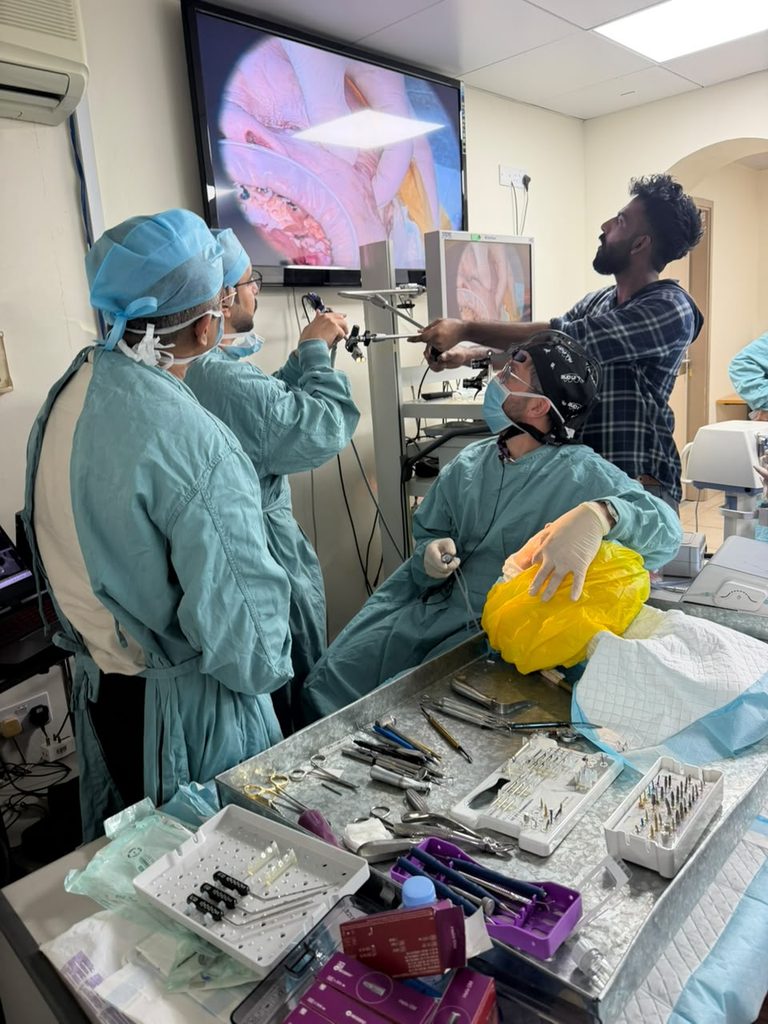
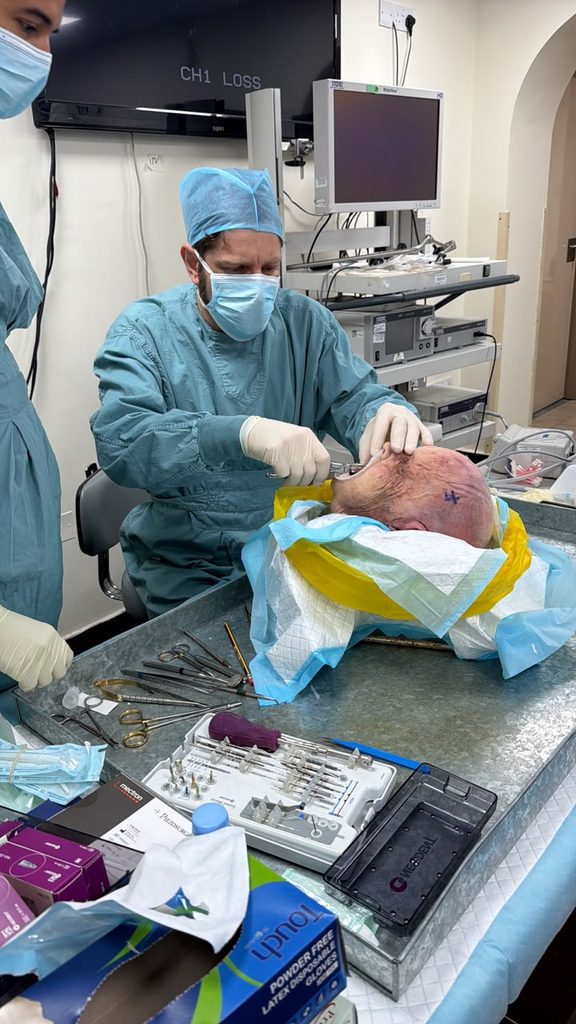
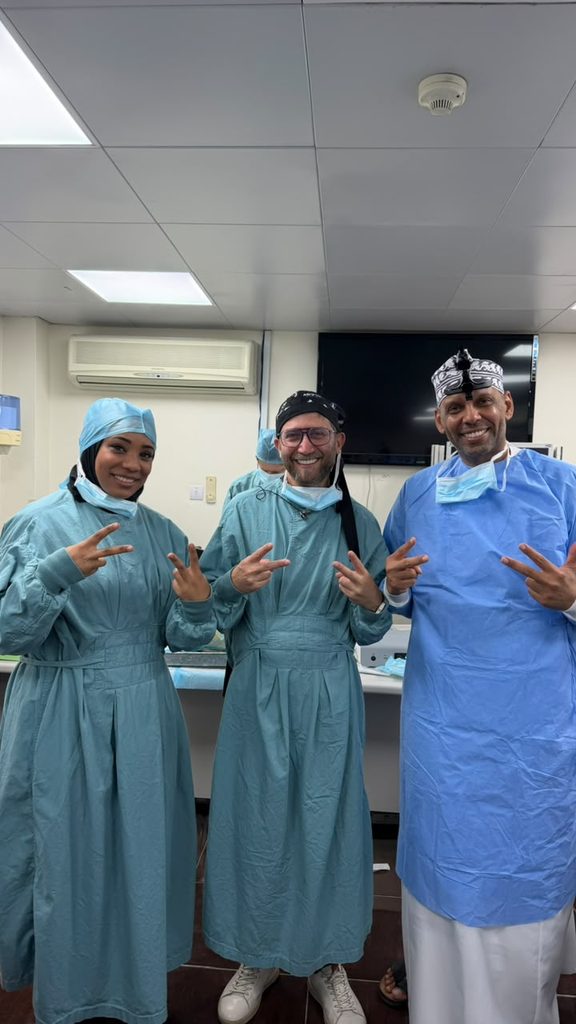
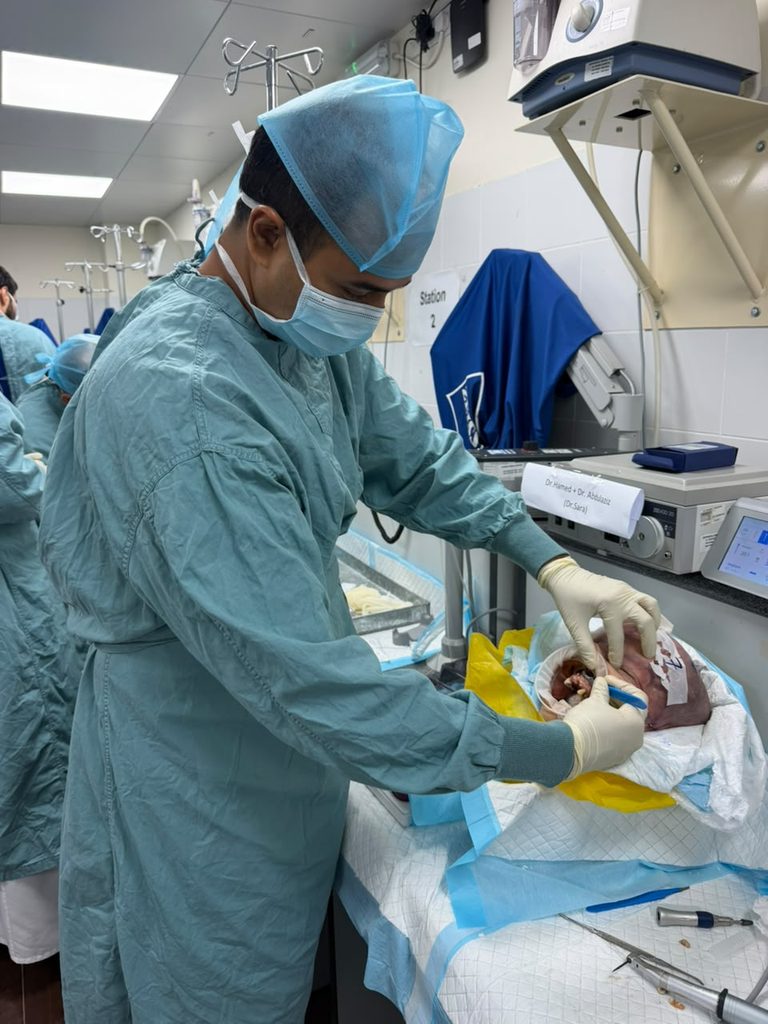
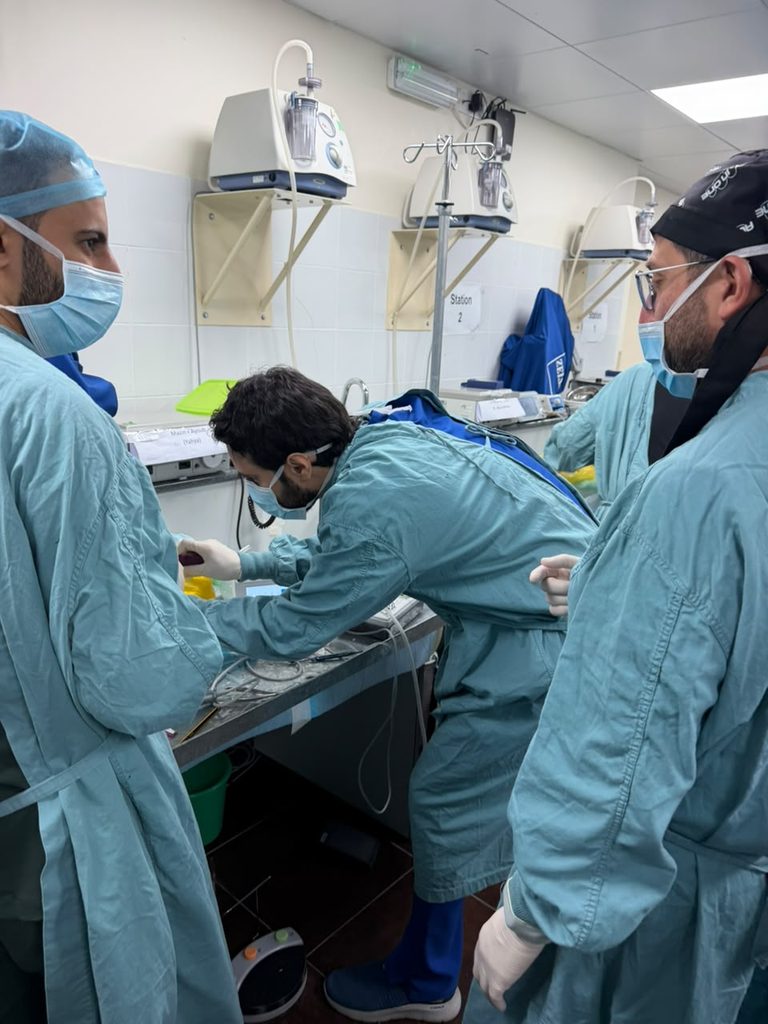
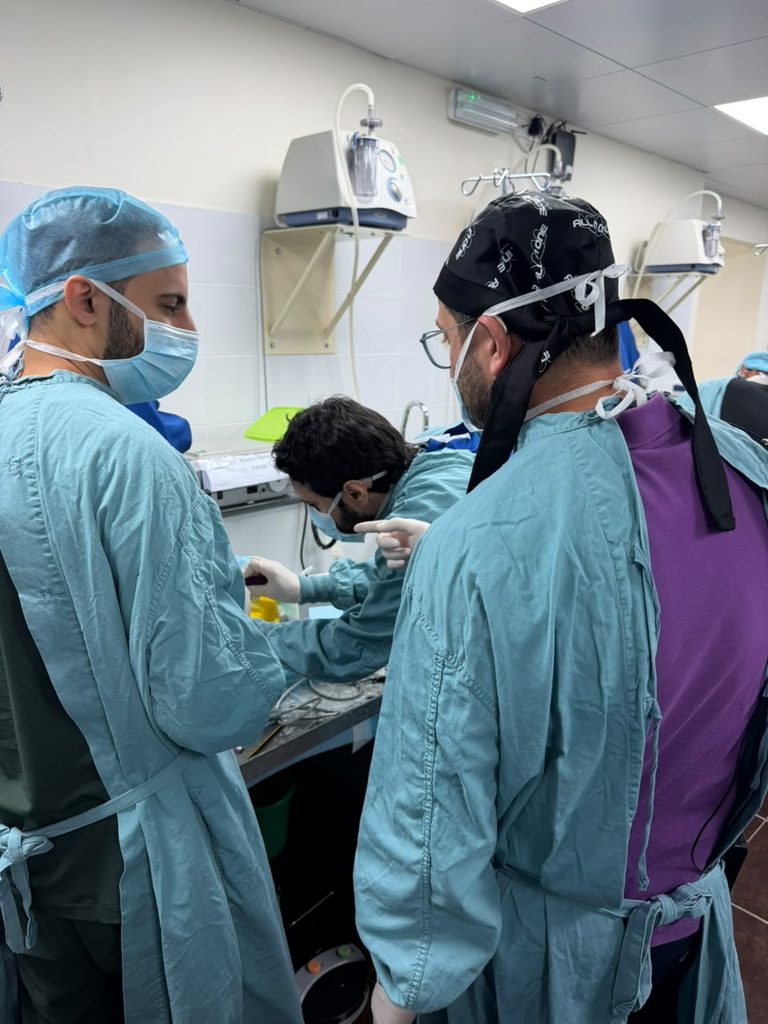
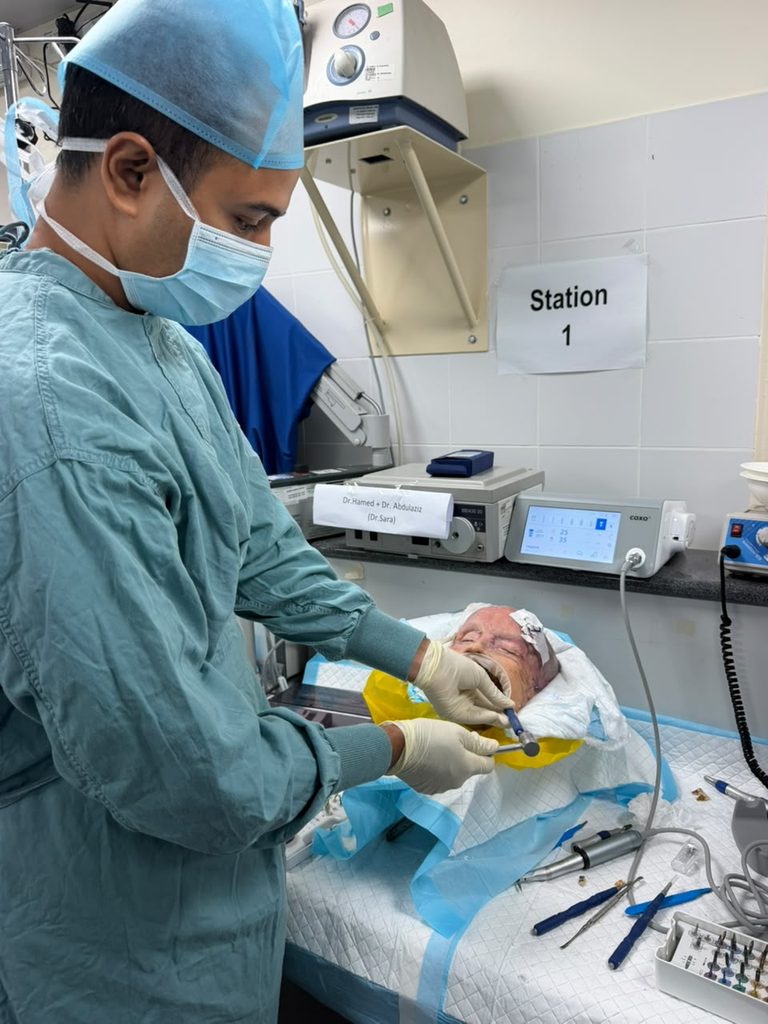
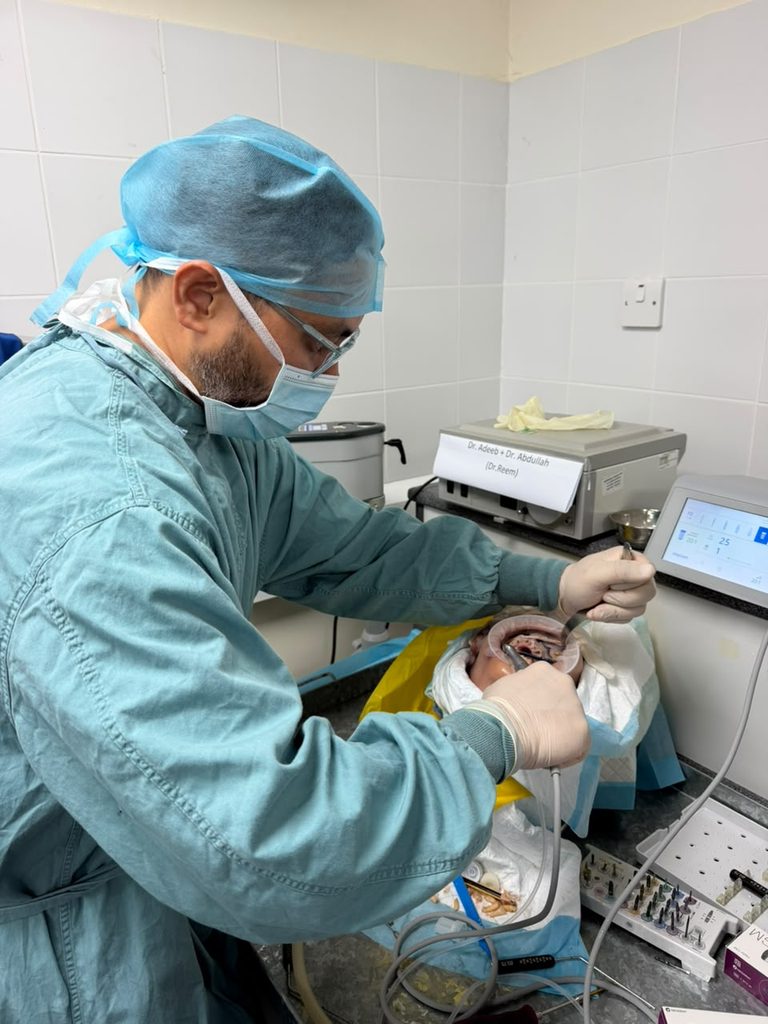
The afternoon was dedicated to demonstration and application on frozen human cadavers.
Building on the lectures, model exercises, and digital planning sessions, participants explored advanced implant placement within an anatomical training environment.
This progression was a central feature of the two-day course: participants moved from understanding treatment options to planning cases and then practising the approaches covered in the program.
Together, these learning formats offered complementary perspectives on the management of the severely resorbed maxilla.
Positive Feedback from Participants
Participants shared very positive feedback through the evaluation forms, marking a successful two-day learning experience. Their insights will help Prodea shape future courses around clinicians’ learning needs.
Continuing Dental Education in Oman with Prodea
Prodea thanks Dr. Maxim Baini and all participating clinicians for making this course a success. We look forward to bringing more expert-led learning opportunities to Oman Dental Community.